Translation incomplete
Some parts of this page have not been translated yet and may appear in the original language. We appreciate your patience as we continue to update our content.
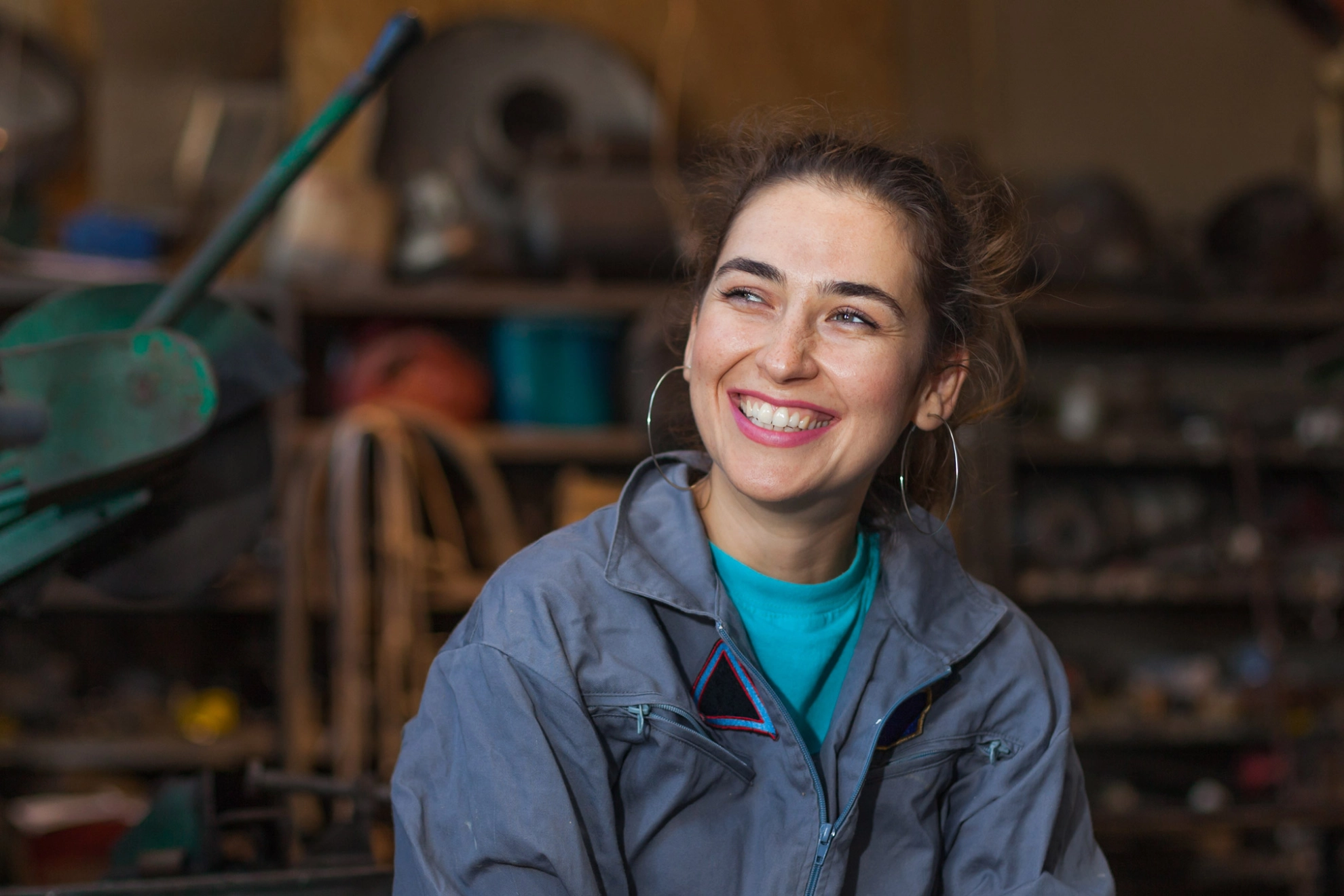
Junge Frau im Blaumann sitzt lächelnd in einer Werkstatt.

Deine Gewerkschaft
Neu in der IG Metall

Nach einer kurzen Vorstellung durch unseren politischen Sekretären in deinem Betrieb sind wahrscheinlich ein dutzend Fragezeichen aufgeploppt oder einiges ist schon wieder vergessen. Deshalb schau gerne über diese Seite, um Dir einen Überblick zu verschaffen.

Die IG Metall als Beteiligungsgewerkschaft

Wir verstehen uns als Beteiligungsgewerkschaft. Deshalb beziehen wir die Beschäftigten und Mitglieder mit ein, wenn es darum geht, bei betrieblichen Konflikten Lösungen zu erarbeiten oder wenn in einer Tarifrunde mit den Arbeitgebern verhandelt wird. Du kannst Dich nicht nur beteiligen, wenn es gilt, Druck auf den Arbeitgeber aufzubauen und unsere Ziele durchzusetzen. Wir wünschen uns auch, dass Du Dich einbringst, wenn es um die Zukunft der IG Metall geht.

Mitmachen

Beteiligung praktizieren wir zudem mit unseren Initiativen. Ziel ist es, gemeinsam innovative Ideen zu entwickeln und umzusetzen. Wie etwas besser funktionieren kann - das wissen die Beschäftigte eines Betriebs oftmals am besten, denn sie sind die Expertinnen und Experten vor Ort. Neben den Initiativen kannst Du außerdem unsere aktuellen Kampagnen unterstützen und dabei mitmachen.

Interessen durchsetzen

Jeder Beteiligungsprozess braucht Aktive, die sich engagieren und den Prozess vorantreiben. Betriebsrätinnen und -räte, Vertrauensleute, Schwerbehindertenvertreterinnen und -vertreter sowie Jugend- und Auszubildendenvertreterinnen und -vertreter sind die, die in den Betrieben Beteiligung praktizieren und vorantreiben. Wir wollen keine Stellvertreterpolitik, sondern Beteiligung auf allen Ebenen ermöglichen. Wenn auch Du aktiv mitgestalten willst, dann wende Dich am besten an Deinen Betriebsrat oder Deine IG Metall vor Ort. Es gilt gemeinsam, für ein gutes Leben einzutreten.

Dabei sein

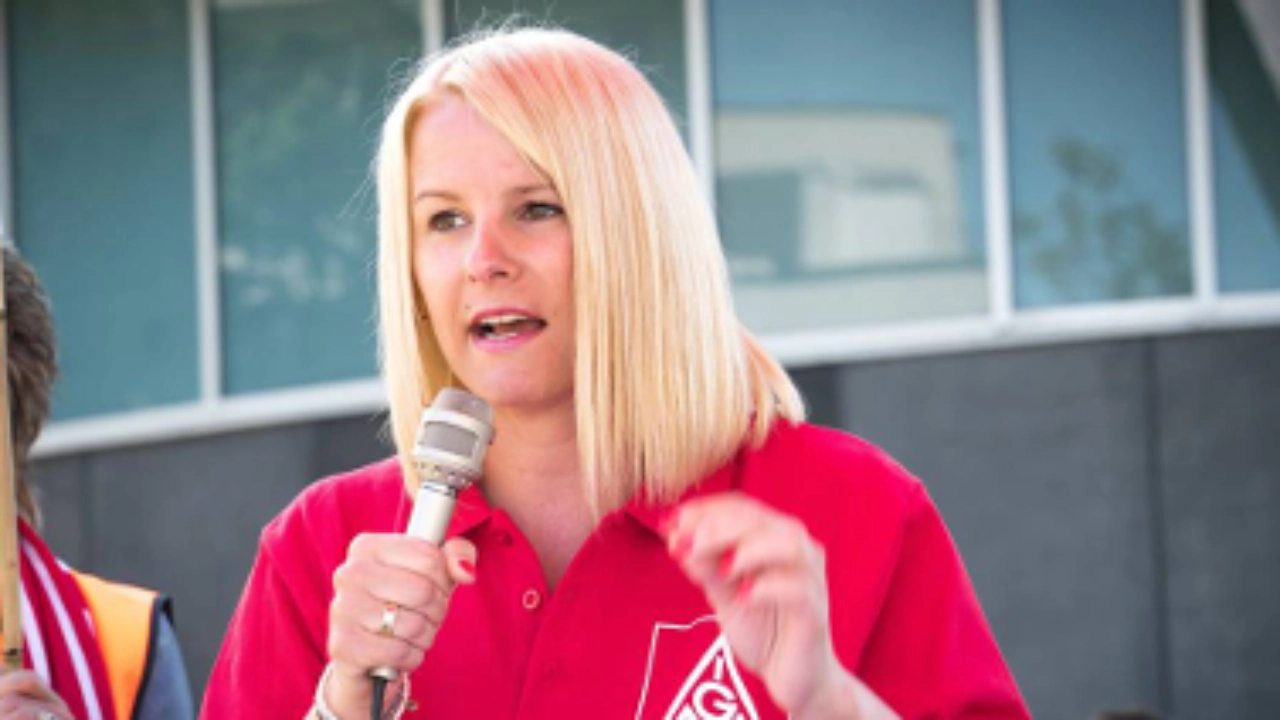
Mehr als 2,2 Millionen Mitglieder - das sind über 2,2 Millionen Menschen mit ganz individuellen Geschichten, Erfahrungen und Zielen. Ihre Gemeinsamkeit: Sie alle wollen etwas bewegen. Sechs von ihnen erzählen hier, warum sie IG Metall-Mitglied sind und was sie antreibt.
Be part of it

More than 2.2 million members—that’s over 2.2 million people with their own unique stories, experiences, and goals. What they have in common: They all want to make a difference. Six of them share here why they are members of IG Metall and what drives them.

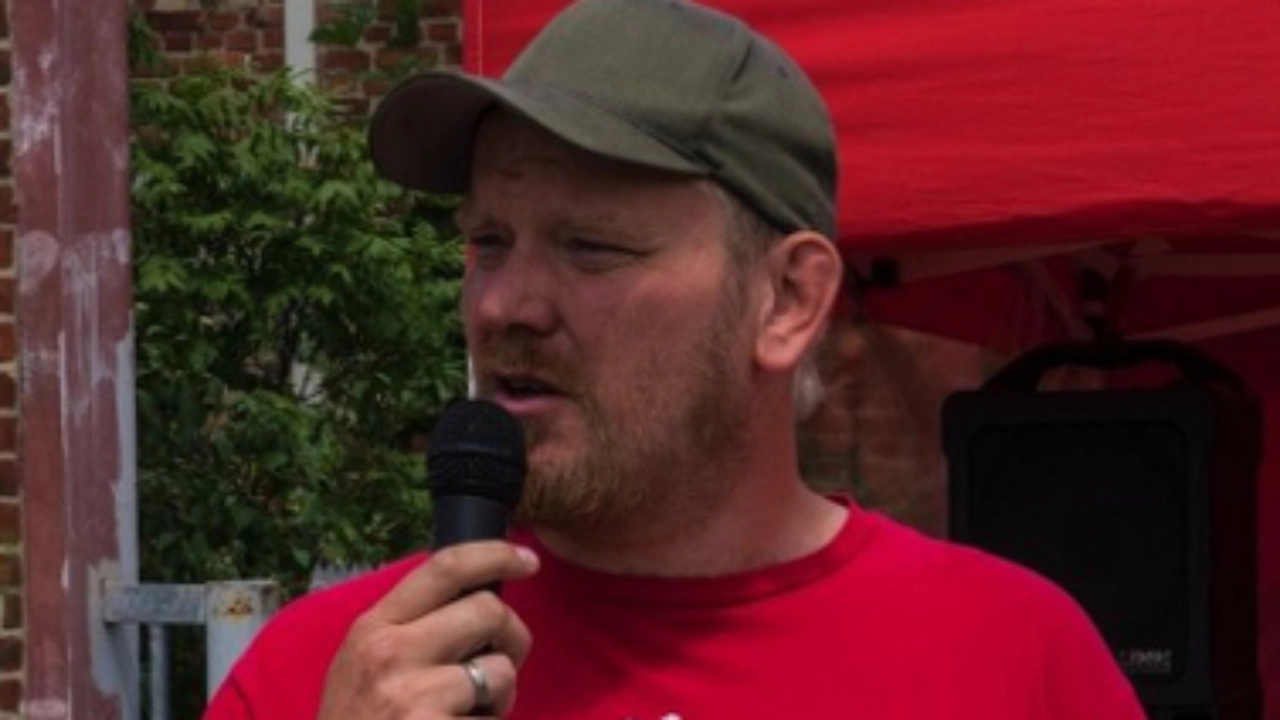
Timo Stille

"Corporate power needs a counterbalance. If we don’t do it, no one will."

Timo Stille, Hanover
Ivonne Eisenblätter

“IG Metall’s approach is sound and fair. And you can actively help shape it.”

Ivonne Eisenblätter, Wetter
Alexandra Hochhaus blickt lächelnd in die Kamera.

“Working together for a good life—of course I’m in!”

Alexandra Hochhaus, Frankfurt am Main
Auke Tiekstra

“2.2 million voices are louder than one!”

Auke Tiekstra, Salzgitter
Marianne Kloepper

"With unity and solidarity, we can achieve anything."

Marianne Klöpper, Salzgitter
John Jasper

"Because it doesn’t work without solidarity. Only together are we strong."

John Jasper, Kiel

We offer you...

  • Rechtsschutz in der Berufsausbildung

  • kostenfreies Seminar- und Weiterbildungsangebot

  • individuelle Beratung rund um Deine Berufsausbildung

  • Streikgeld und finanzielle Unterstützung in Notlagen

  • kostenfreie Freizeit-Unfallversicherung

  • kostenfreie ISIC-Card und attraktive Vergünstigungen bei Konzerttickets, Urlaub, Lohnsteuerhilfe uvm.

Learn more
Glossar - Ausbildung von A bis Z

Dein Lexikon rund um Berufsbildung und duales Studium

Bock auf Bildung

Gewerkschaftliche Jugendbildung bietet Dir alles rund um die Themen Ausbildung, Arbeitsmarkt, Wirtschaft, Gesellschaft und mehr. Dabei gilt das Motto: Gemeinsam weiterbilden macht Spaß.

IG Metall Youth: What We Stand For
Junge Frau mit Sonnenbrille hält sich einen Lolly in Herzform vor den Mund.

For the apprenticeship of your choice

We are committed to ensuring that you have a legal right to an apprenticeship. And not just any apprenticeship, but a qualified one that meets your needs. To achieve this, there must be a sufficient selection of good apprenticeship opportunities. (Photo: iStock.com/Rohappy)
Junger Schreiner steht in einer Werkstatt.

For the right to permanent employment

We’re fighting for your right to be hired after your apprenticeship. Because it’s unsettling not to know what comes next after your apprenticeship. We’ve already achieved a lot through collective bargaining agreements and will continue to stay on the ball. Why shouldn’t a legal right to be hired after your apprenticeship also be possible? (Photo: iStock.com/Monoliza21)

For equal treatment and recognition

We’re fighting to ensure that you, as a migrant, are treated equally—including when searching for an apprenticeship and during your training. After all, young adults of non-German origin still face discrimination in the education sector: they have fewer opportunities even when they have the same qualifications. (Photo: iStock.com/SeventyFour)
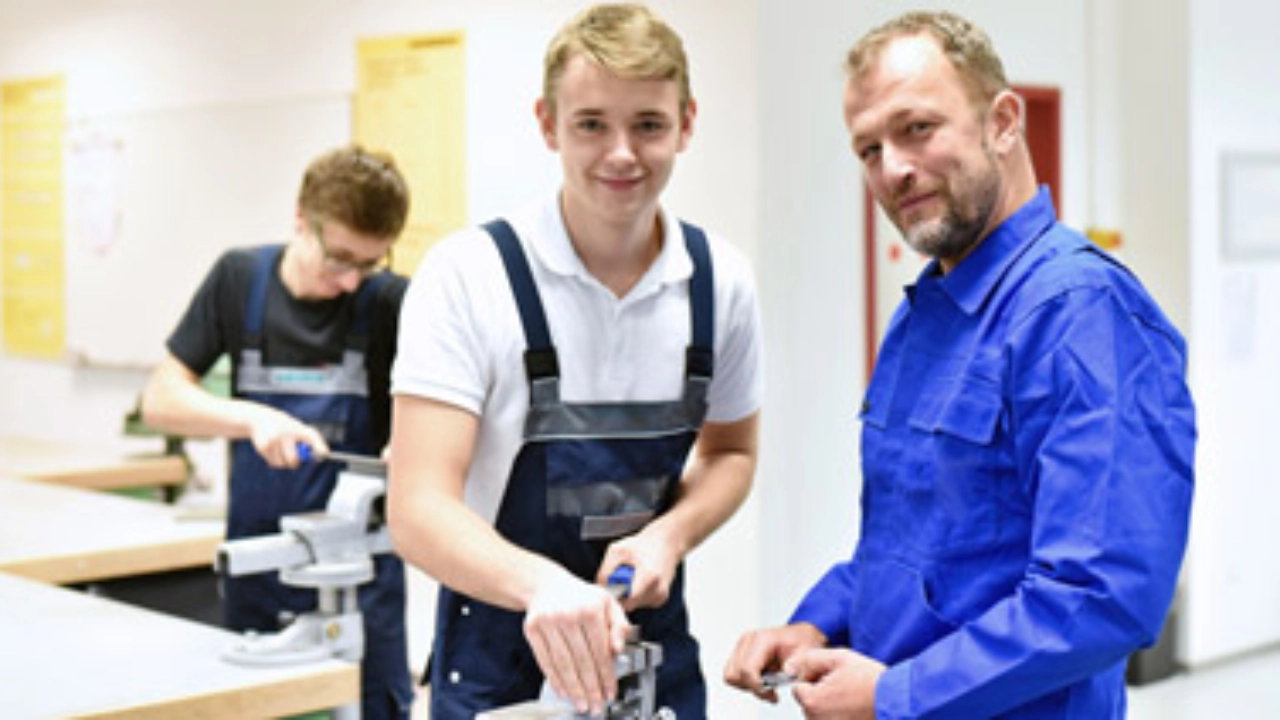
Azubi steht mit seinem Ausbilder an einem Schraubstock und feilt etwas.

For high-quality apprenticeships

We monitor, ensure, and improve the quality of your vocational training. After all, a good vocational training program is the foundation for your future. A key focus of our work is advising and conducting quality control for training companies. Another is our involvement in examination boards. (Photo: iStock.com/industryview)
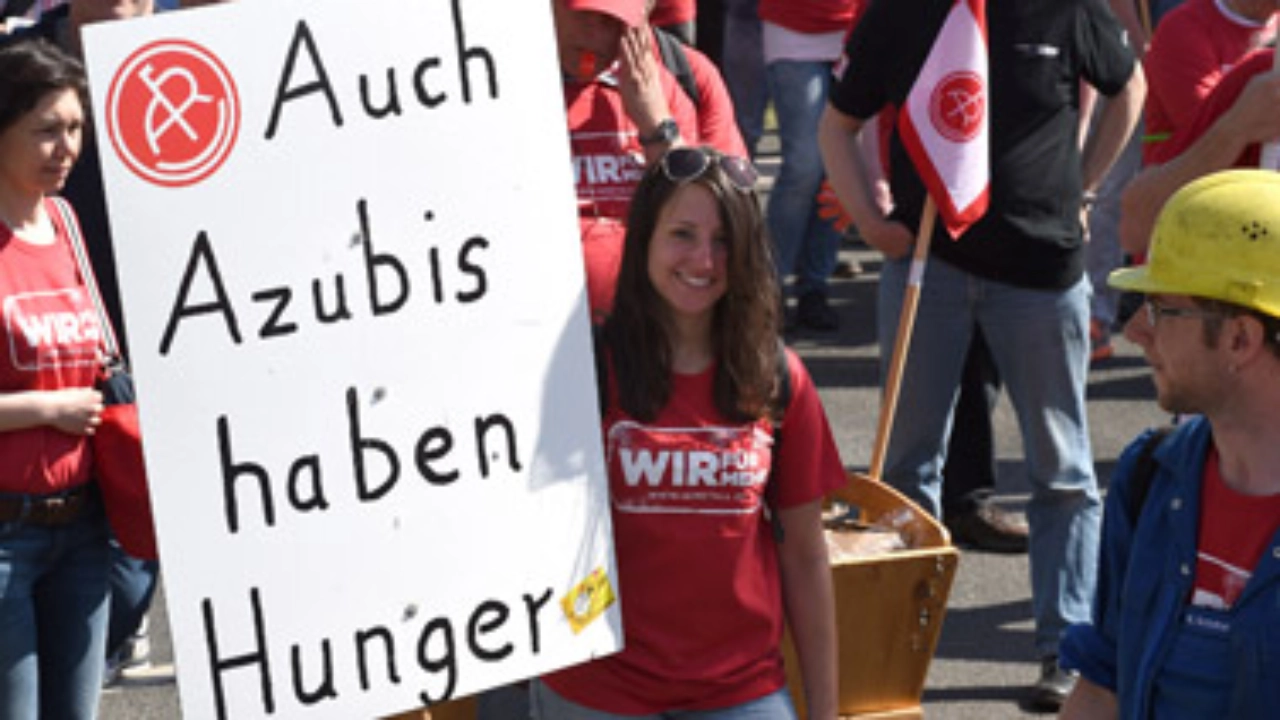
Junge Frau bei einem Warnstreik während der Tarifrunde.

For adequate pay

We advocate for training stipends that provide a living wage and for BAföG that is independent of parental income and has no age limit. Learning is work. And anyone who has to earn money alongside their training or studies to make ends meet cannot focus 100 percent on their studies. (Photo: Carmen Jaspersen)
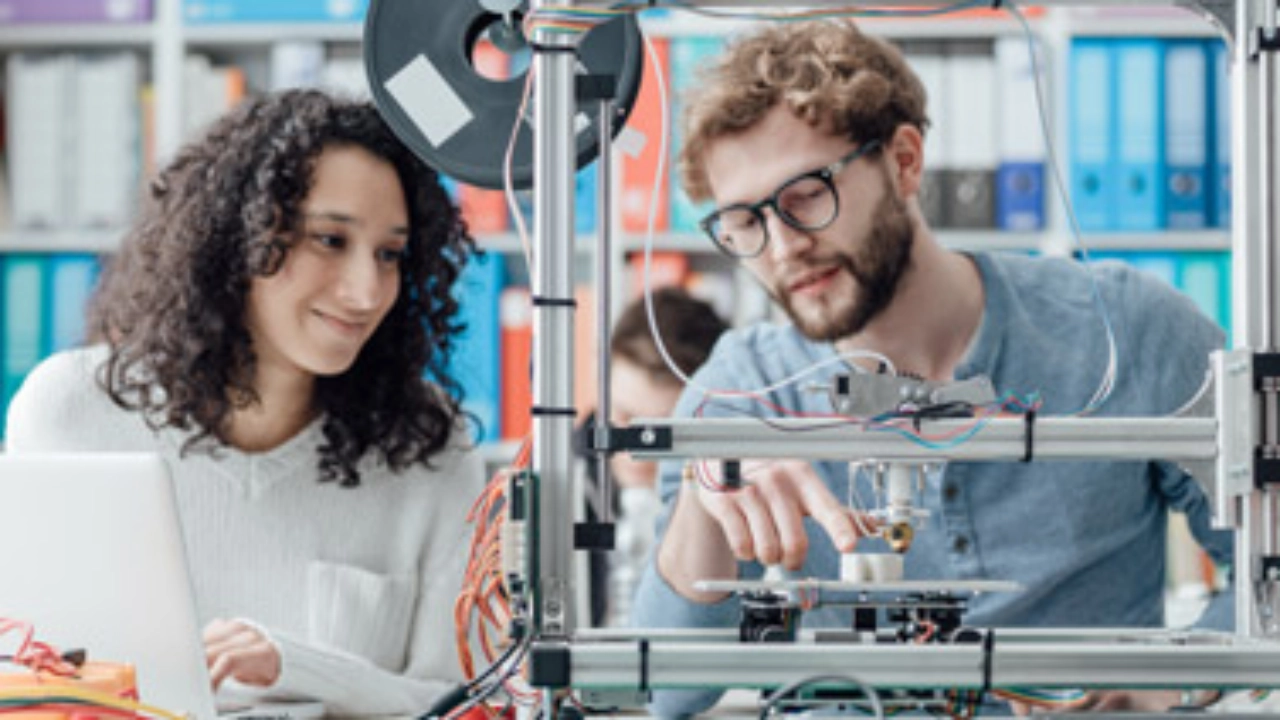
Zwei junge Ingenieure arbeiten an einem 3D-Drucker.

For equal pay for men and women

We stand for gender equality. Germany is among the European countries with the widest pay gap between men and women. This is also known as the gender pay gap. On average, women have 21 percent less in their pockets at the end of the month than men. (Photo: iStock.com/cyano66)
Student sitzt an einem Tisch im Seminarraum und macht sich Notizen.

For educational equity

We advocate for opening up colleges and universities to young people who do not have a high school diploma but have completed vocational training. This is because social background still determines educational pathways in Germany. (Photo: iStock.com/Wavebreakmedia)
The History of the Labor Movement
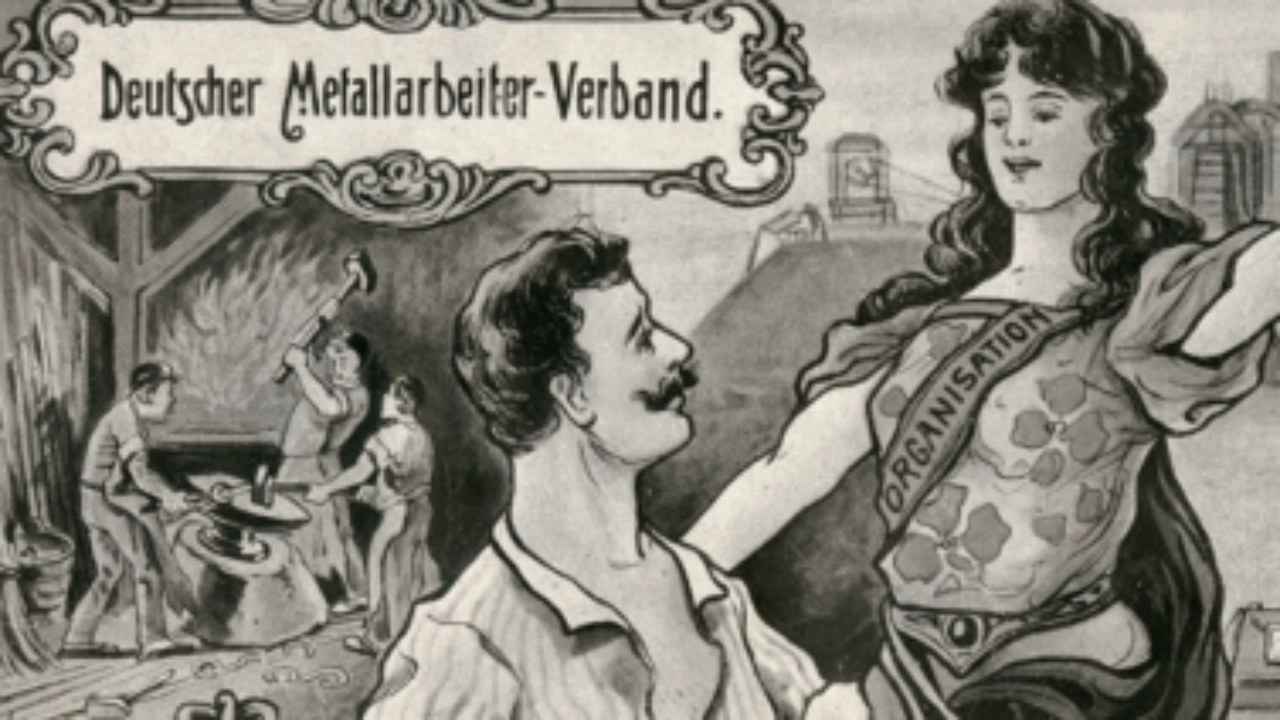
Ausschnitt einer Publikation des Deutschen Metallarbeiterverbandes.

19th Century

Starting in the 1830s, industrialization transformed the world of work: mass production replaced artisanal craftsmanship, and machines set the pace. The working class had no protections or rights. For a pittance, adults and children toiled 14 hours a day or more in the factories. Resistance was suppressed by a police state. Yet the workers organized themselves. (Photo: IG Metall)
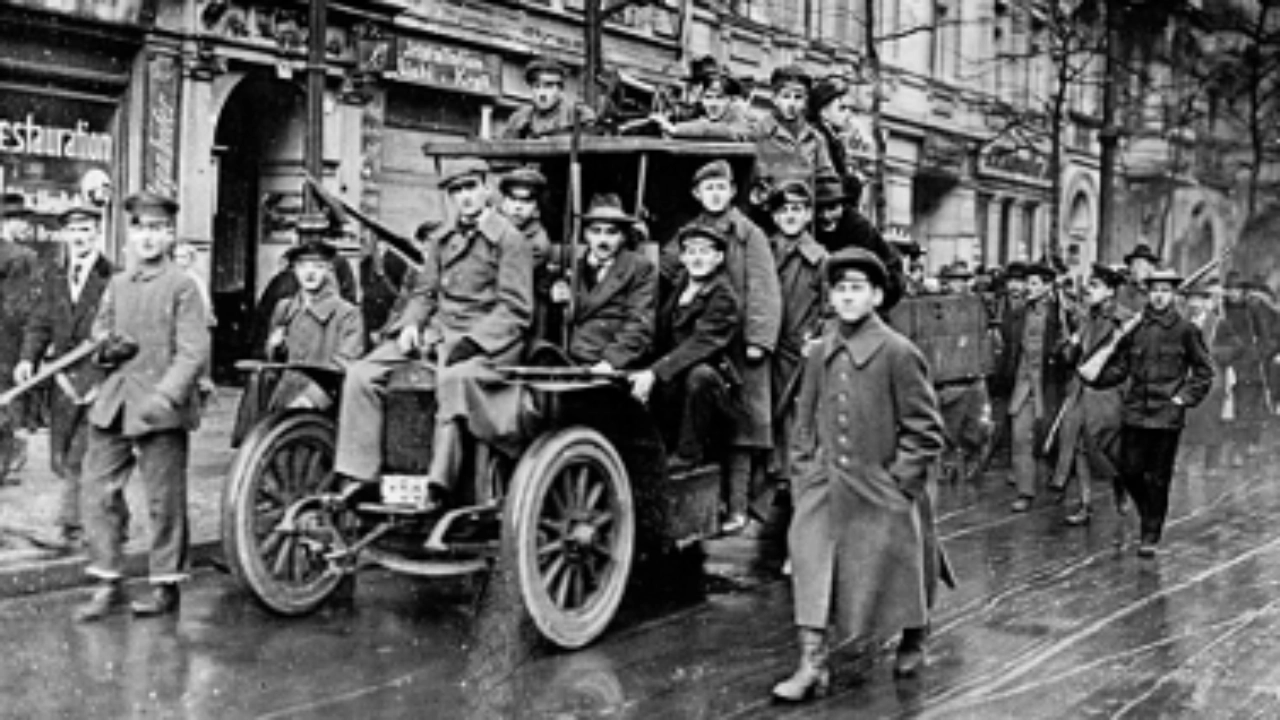
100 Jahre Novemberrevolution

Turn of the Century

As industrialization progressed, the plight of the working class worsened. But the unions fought back, demanding shorter workdays and free time for physical recovery. From 1910 to 1913 alone, there were around 9,000 strikes involving more than one million participants. It was not until the November Revolution that the eight-hour workday for all—six days a week—was achieved. (Photo: Berliner Verlag/Archive/pa)
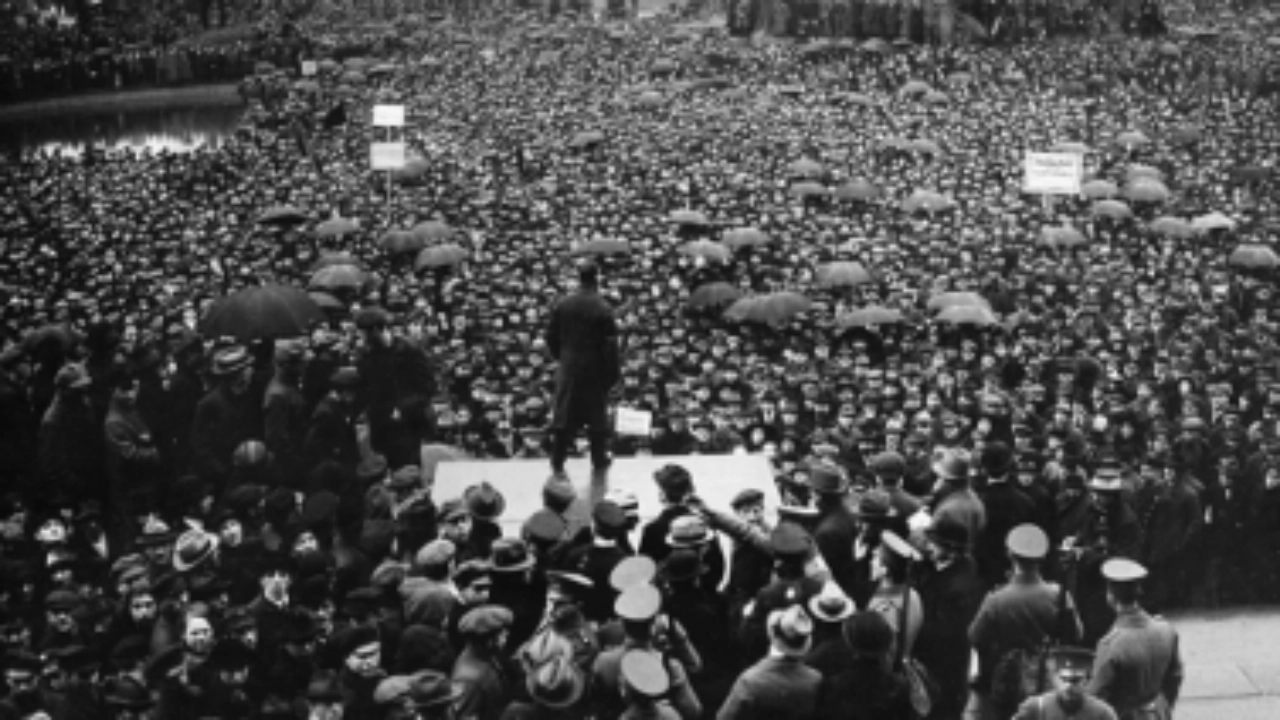
Kundgebung anlässlich des Betriebsrätegesetz 1920.

The 1920s

The Works Council Act of 1920 guaranteed the rights of employees in the workplace. Employers repeatedly sought to undermine the eight-hour workday. The unions fought back in fierce labor struggles. Yet internal conflicts arose within the working class. The Great Depression, inflation, and unemployment strengthened nationalist forces. (Photo: picture-alliance/akg-images)
Ein Stacheldrahtzaun.

1933–1945

The National Socialists’ seizure of power marks the provisional end of free trade unions. On May 2, 1933, the fascists stormed the union headquarters—those who could not flee were arrested, tortured, and murdered. Many union members managed to go underground. From there, and even while in captivity, they continued to resist. (Photo: iStock/ChiccoDodiFC)
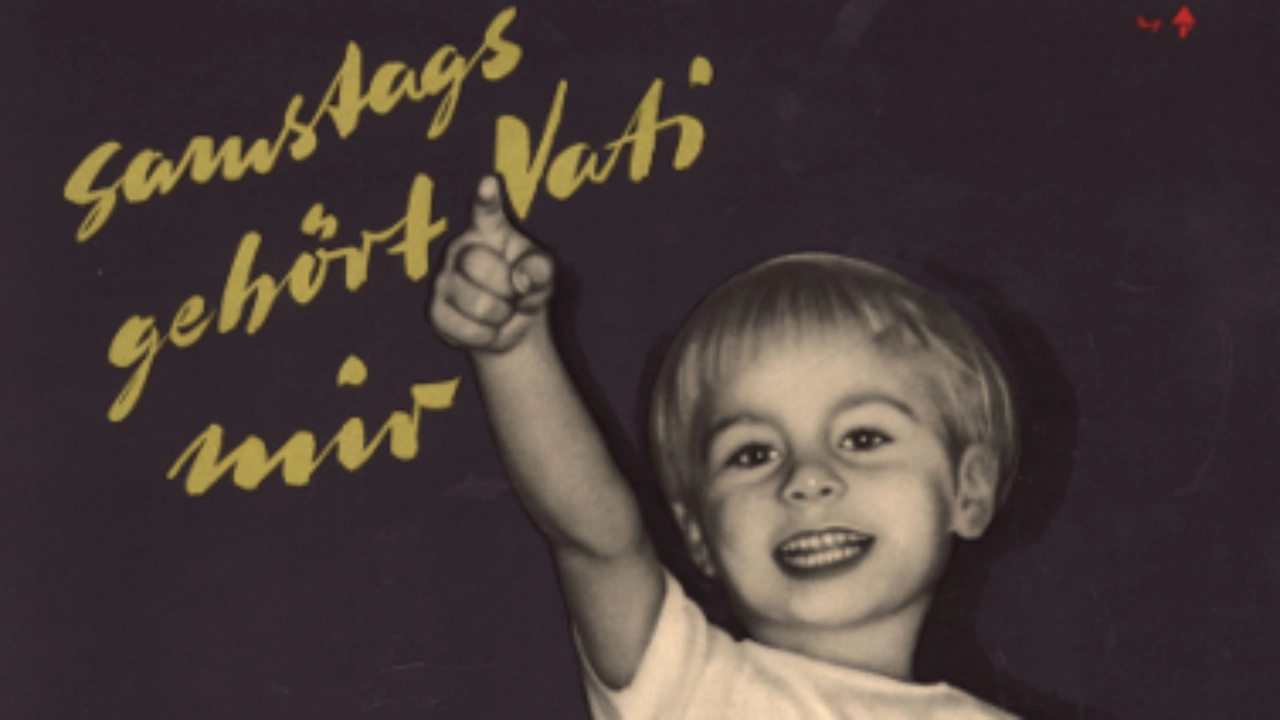
Plakat von 1956 zur Fünftagewoche.

Postwar period and the 1950s

Workers and their works councils rebuilt the companies. In 1949, IG Metall was founded on the principle of a unified trade union—thus ending the division of the working class into Social Democrats, Communists, and Christians. In 1956, IG Metall secured the five-day workweek and fought for continued pay during sick leave for blue-collar workers as well. (Photo: DGB)
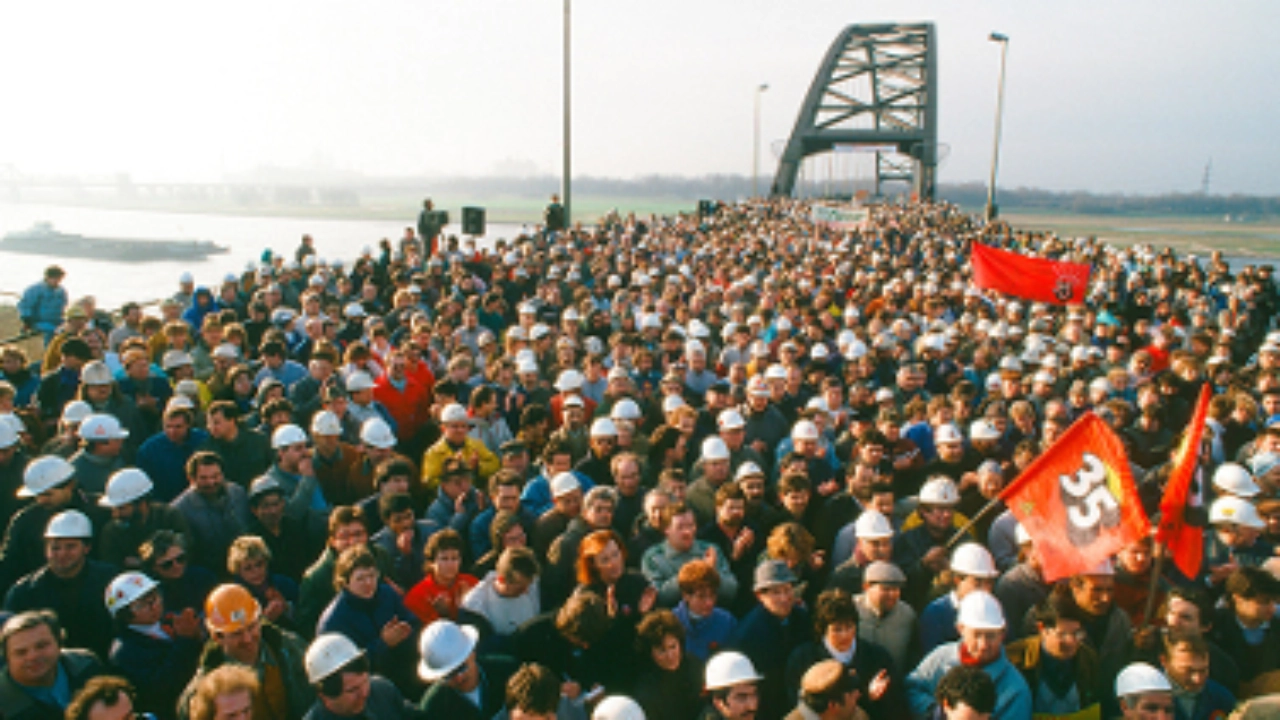
Stahlarbeiter demonstrieren 1988 auf der Brücke der Solidarität gegen die Schließung des Stahlwerks Duisburg-Rheinhausen

The 1960s through the 1980s

These years were marked by struggles for higher pay, more free time, and democracy in the workplace. IG Metall secured double-digit wage and salary increases and pushed through shorter work hours, more vacation time, and vacation pay. Union representatives were empowered and protected by collective bargaining agreements. In 1984, the transition to the 35-hour workweek was successfully implemented. (Photo: IG Metall)
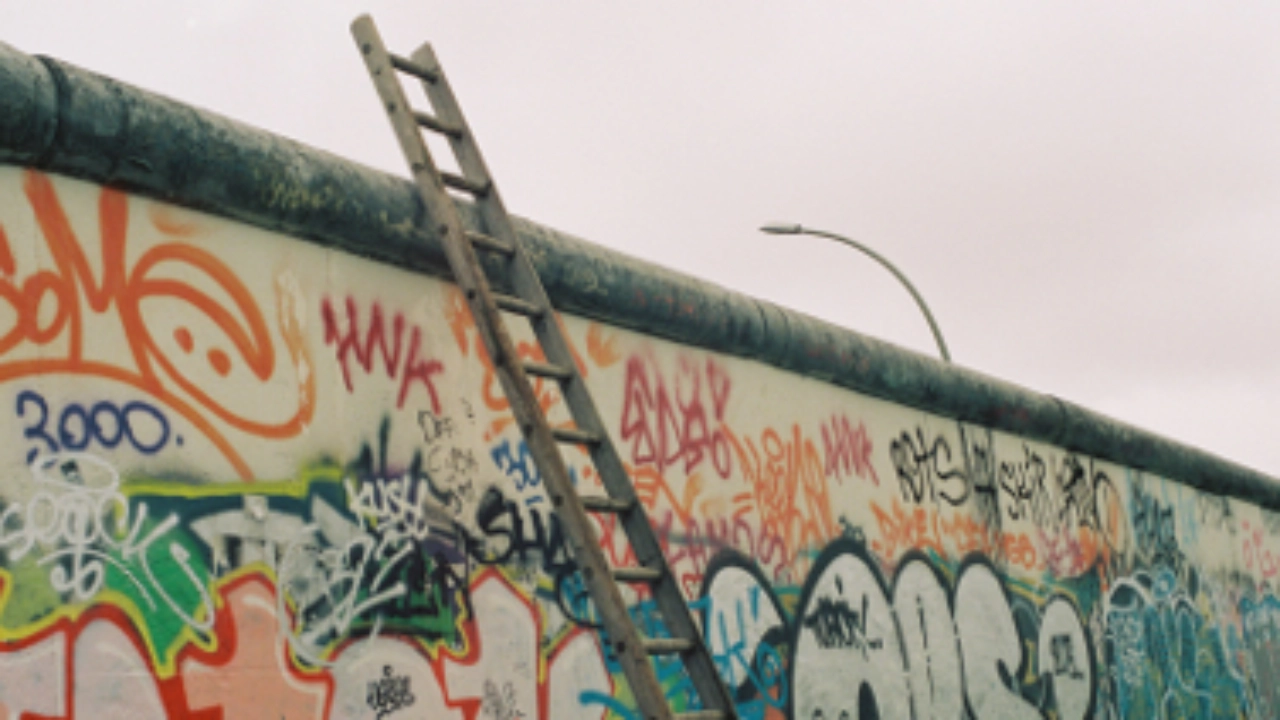
Eine Leiter lehnt an der Berliner Mauer.

The 1990s

After reunification, East German industry collapses. Millions of jobs are lost. The ensuing crisis and rising unemployment define the decade. Joining forces becomes necessary: IG Metall merges with the Textile and Apparel and Wood and Plastics unions. (Photo: iStock/NatalyaLucia)
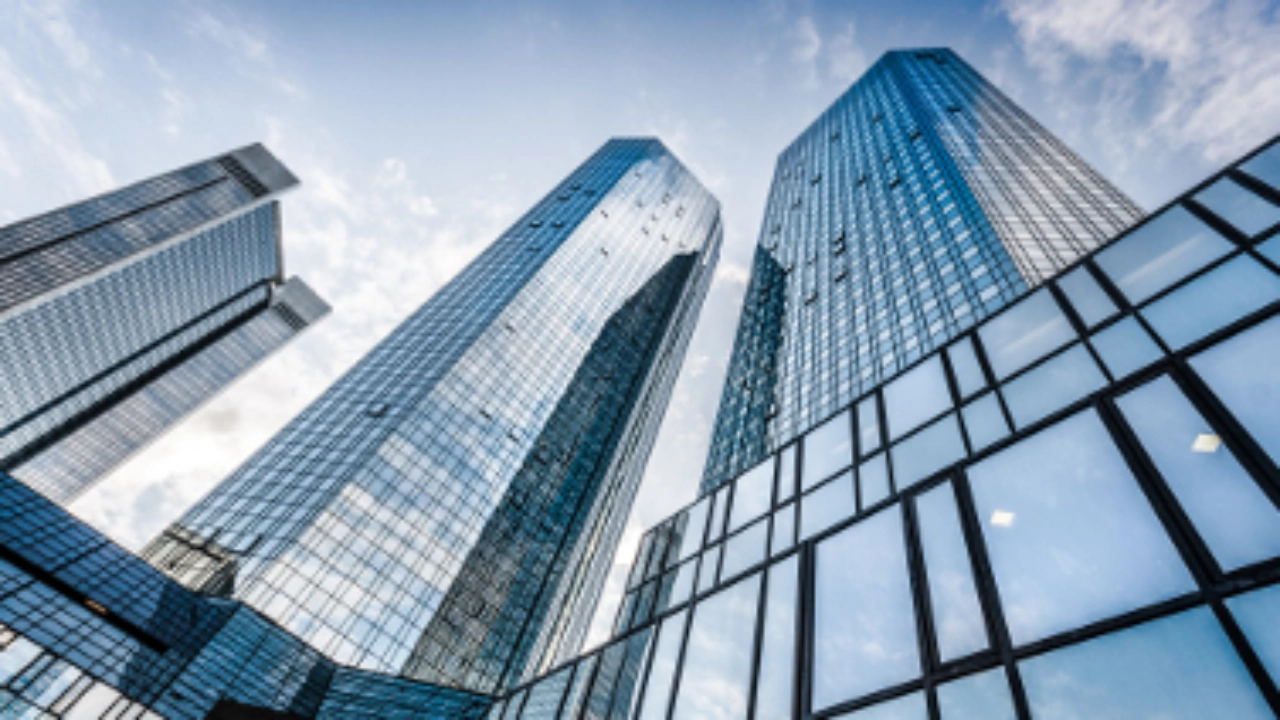
Ein Hochhaus in Frankfurt am Main.

The Turn of the Millennium

Job security, partial retirement, the hiring of trainees, and the fight against the abuse of temporary agency work are key priorities in the new millennium. During the 2009 financial and banking crisis, collectively bargained short-time work and reduced working hours with partial wage compensation prevent the worst effects on workers in Germany. (Photo: iStock/bluejayphoto)
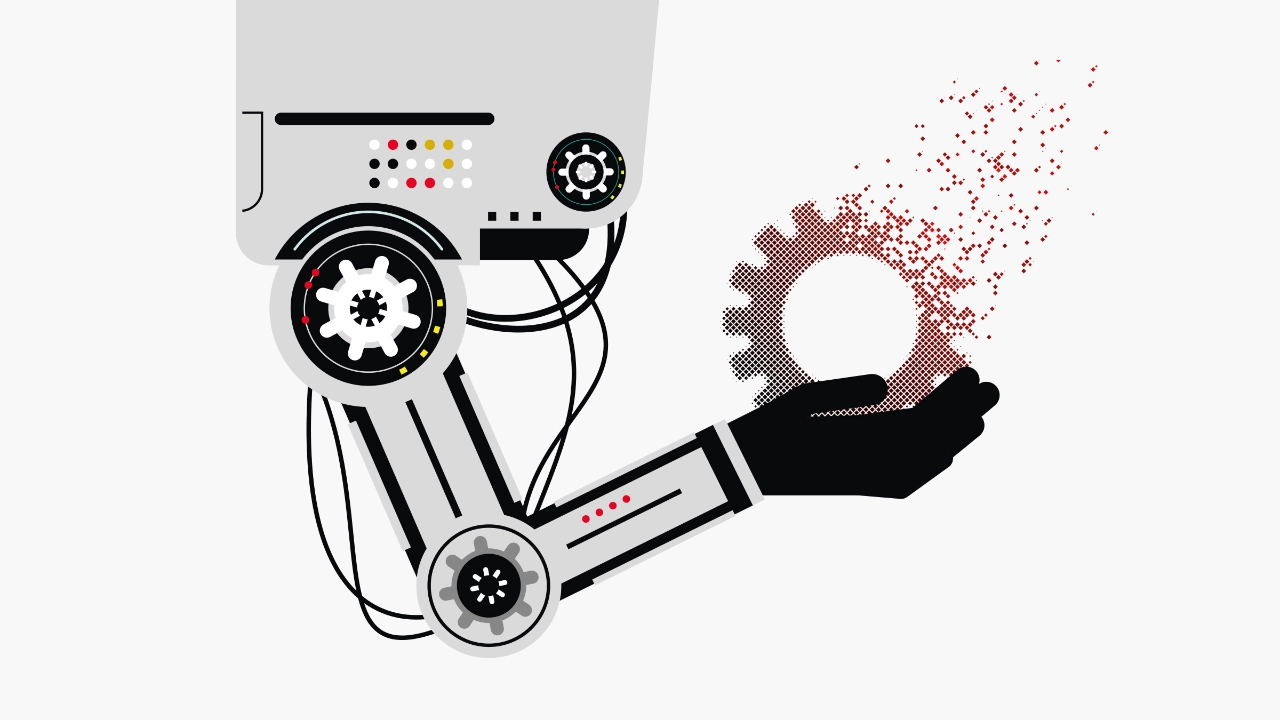
Digitalisierung und Industrie 4.0

Today and Tomorrow

Now more than ever, it is essential to embed employee participation in the workplace. Collective bargaining coverage, greater equity in the workplace and society, the right to training, greater control over one’s own time, and shaping the digital world of work and the ongoing transformation are major challenges. We are rising to them. (Photo: IG Metall)